







Search Results for: Meituan coupon
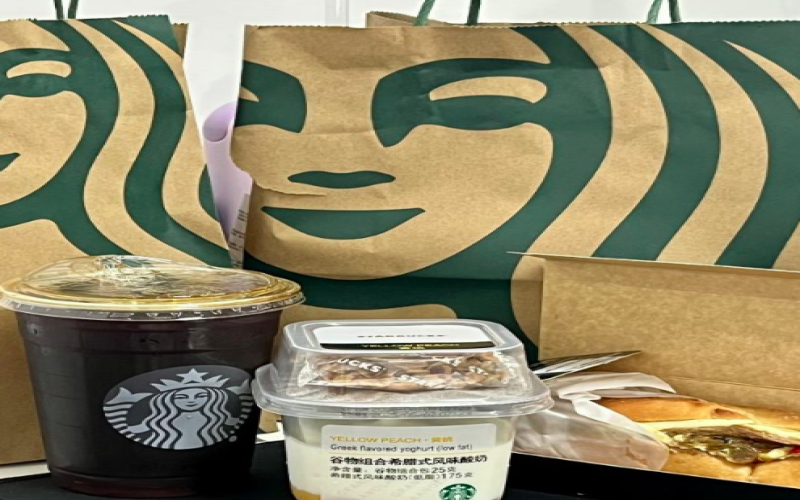
Delivery subsidy war hits Starbucks stores, emptied pastry cases spark polarizing reactions among employees and consumers
The delivery subsidy war between JD.com and Meituan has unexpectedly spread to Starbucks—after stacking coupons, a breakfast set that originally cost dozens of yuan is now only a little over ten yuan, and you can even get a cup of Starbucks for just over three yuan. Consumers rushed to snap up cakes and bread they normally wouldn't bear to buy, causing the food display cases at many stores to be emptied ahead of schedule, with office workers exclaiming that such a spectacle is rarely seen. Yet store employees are complaining bitterly, as doubled order volumes leave them exhausted. In this clash of the titans between platforms, who really benefits and who suffers? Front Street Coffee takes you through the coffee industry ecosystem behind this delivery melee. [more…]
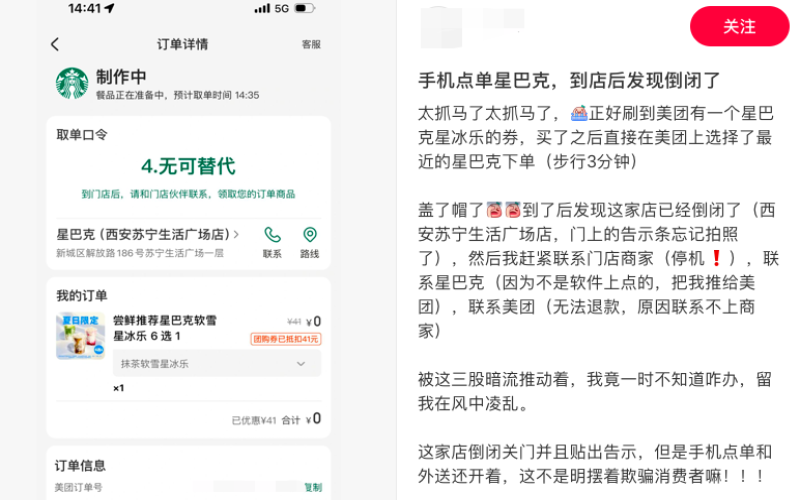
Starbucks stores close down but orders can still be placed, and customers only discover the store has ceased operations when they go to pick up their order.
A customer purchased a Starbucks Frappuccino coupon on Meituan, successfully placed an order and received a pickup code, but upon walking to the store to collect the drink, discovered that the store had already closed down. The store's phone was disconnected, and Starbucks customer service and Meituan customer service passed the buck to each other over refund responsibility, leaving the consumer in a predicament. An investigation revealed that the store is located at Suning Plaza on Jiefang Road in Xi'an, where the mall is undergoing comprehensive renovation, and the store has actually ceased operations—yet the official app still showed it as open, and orders could even be placed through "Feikuai." Ultimately, after the customer's feedback, Starbucks shut down the ordering channel, Meituan refunded the order amount and stopped delivery services. The incident also sparked discussions among netizens about wrong-store pickup services and the 12315 complaint channel. [more…]
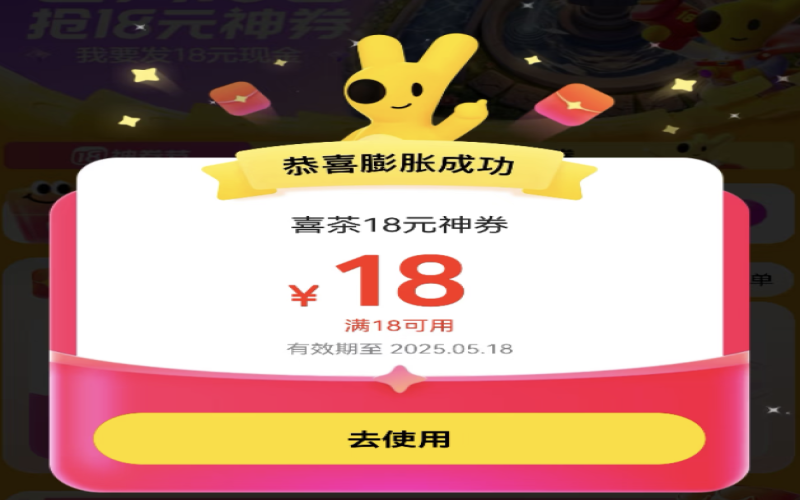
Delivery subsidies trigger a surge in orders at Heytea stores, forcing temporary closures in many places, with frontline staff saying they can't keep up.
The subsidy war among food delivery platforms continues to heat up, with large-value coupons frequently being thrust at consumers, and the pressure on in-store production has surged accordingly. Recently, Meituan released a batch of delivery coupons for Heytea that can be expanded to "18-18," meaning a drink priced at over twenty yuan costs only a few yuan after the discount, and can even be made nearly free by stacking red envelopes. As soon as the news came out, netizens rushed to place orders, and Heytea stores in many parts of the country saw orders surge in a short time. Delivery rider capacity could not keep up, and delays, stuck orders, and no one accepting deliveries occurred one after another. Some stores, facing shortages of both materials and staff, could only temporarily close and reopen after all the backlogged drinks had been made. At the same time, frontline employees poured out their daily experiences of order explosions on social platforms, busy from morning to night, with no time even to eat or drink. [more…]
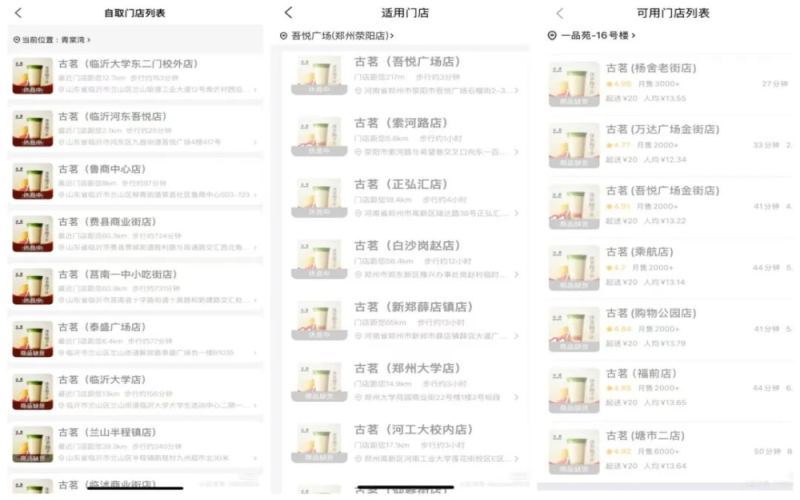
Delivery platform's "buy for 0 yuan" promotion caused abnormal online status at Guming stores, sparking controversy as consumers struggle to redeem coupons
A new round of subsidy battles on delivery platforms has once again ignited the tea beverage market, with Meituan handing out large numbers of tea drink vouchers, while Ele.me and Taobao Flash Sale fight back with hefty discounts. However, after claiming the vouchers, many consumers found that Goodme stores in Shenzhen, Xi'an, Chengdu, Nanning, and other places showed as "resting/closed" or out of stock on third-party platforms, making it impossible to redeem normally. Interestingly, the same stores were still open on the official mini-program, and products included in the promotion, such as lemonade, could still be ordered. The contradiction between stores actually being overwhelmed with orders and appearing "closed" online has led many to speculate that this is a measure taken by the brand to ease order pressure. Consumers have expressed dissatisfaction over the chaotic promotion, orders being automatically canceled, and no stock upon arrival at stores. Front Street Coffee continues to follow industry developments and brings in-depth observations. [more…]
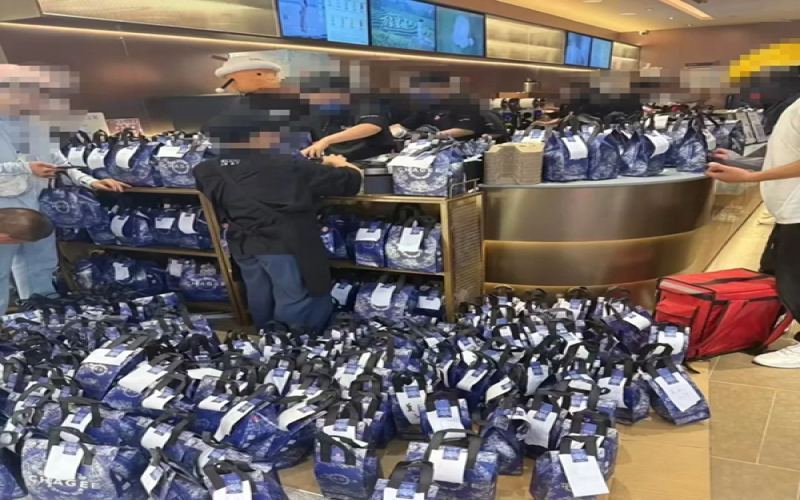
The takeout battle on the first day of autumn triggered a surge in chain tea orders, overwhelming stores that had to close temporarily to deal with the backlog.
The arrival of the Start of Autumn solar term has once again sparked a consumer frenzy with the annual "first cup of milk tea in autumn" promotion. This year, driven by large-scale distribution of tea voucher and discount coupons on platforms such as Meituan, Ele.me, and JD.com, combined with brands' own promotions, order volumes have far exceeded previous years. However, behind the order surge is extreme pressure on store operations: receipt piles are mountainous, rider capacity is severely insufficient, delivery delays and wrong drink deliveries occur frequently, and customer complaints have surged. To ease the pressure, some stores of brands such as Starbucks, Luckin Coffee, Heytea, and Chagee have had to temporarily close or shut down delivery channels, leaving consumers unable to use the coupons they hold. This annual carnival, while bringing huge challenges to workers, has also exposed the fragility of the instant delivery system under extreme peaks. [more…]
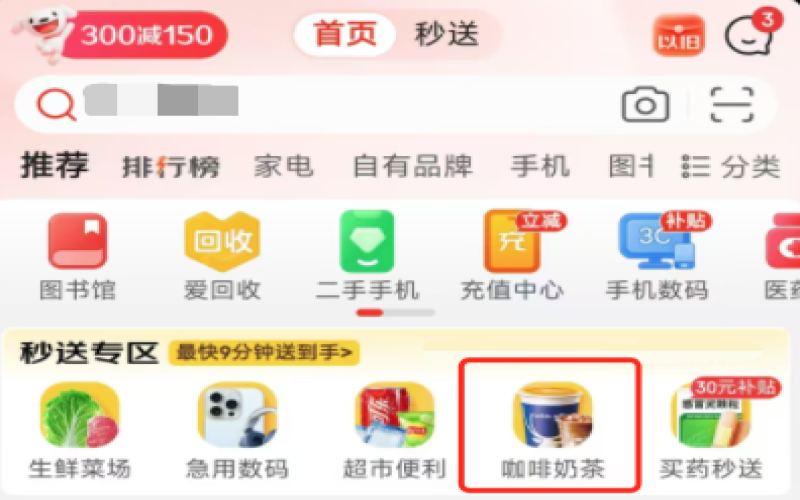
JD Instant Delivery launches a 9.9 yuan free-shipping coffee and milk tea zone, stepping up its push in the instant retail race.
Recently, a dedicated section named "Coffee & Milk Tea" quietly appeared in the "Instant Delivery" area of the JD APP, promoting "9.9 yuan with free shipping," giving many consumers accustomed to ordering on Meituan and Ele.me a new option. This section not only gathers chain beverage brands such as Luckin, Cotti, Tims, and Chagee, but also includes fast-food merchants like Burger King and Yonghe King, with its category expanding from beverages to fast food. JD PLUS members can even treat friends to coffee for free. Behind this move is JD's continued intensification in the instant retail and food delivery market—from revealing its intention in 2022, to upgrading "JD Instant Delivery" in May this year, and then increasing its stake in Dada Group to 63.2% in September, JD is trying to use high-frequency, rigid-demand coffee and milk tea as an entry point, using subsidies to cultivate users' mindset of ordering food delivery on JD. Front Street Coffee notes that this instant delivery battle centered on "9.9 yuan" may have only just begun. [more…]
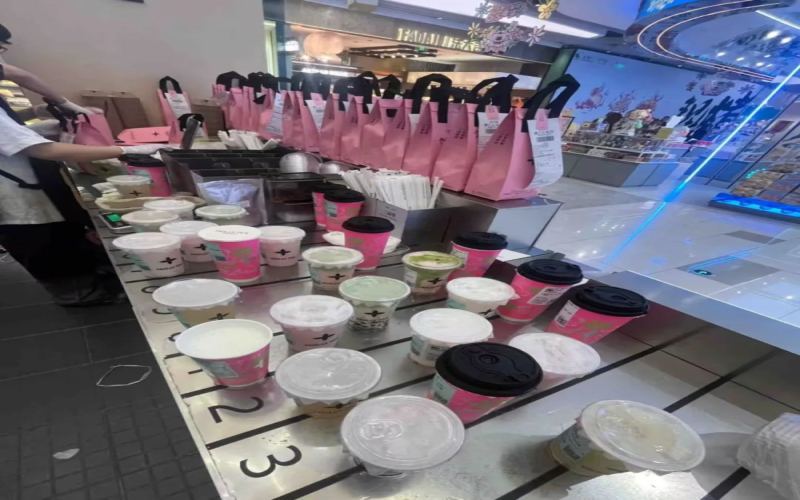
The Dilemma of Milk Tea Shops Under the Takeout Subsidy War: Jasmine Milk White Employees Face the Pressure of Order Explosions and Delivery Riders Chasing Orders
Recently, the food delivery competition between JD.com and Meituan has yet to subside, and Ele.me has now joined the fray with a large number of coupons and subsidies. While delivery users enjoy low-priced milk tea, staff at brands like Molly Tea are under unprecedented order pressure. Drinks that originally cost a dozen yuan per cup have seen their prices plummet to five or six yuan after platform subsidies, or even just a few cents, causing order volumes to instantly double or surge, with some stores handling as many as five or six hundred orders per day. Understaffing, material shortages, riders urging them on, and customer complaints have become the daily reality for these coffee and milk tea workers. This article will take you behind the scenes of this delivery subsidy frenzy to see the real working conditions and helplessness of frontline employees. [more…]
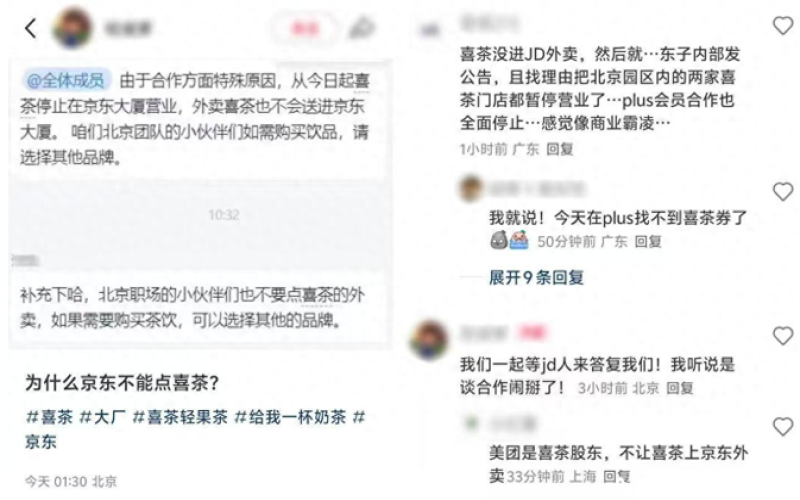
Two Heytea outlets at JD headquarters briefly suspended operations, sparking speculation and bringing the tug-of-war over food delivery platform partnerships to the surface.
Recently, news that two HEYTEA stores at JD.com's Beijing headquarters suddenly closed has continued to spread on social media, while an internal notice in circulation showed that JD.com prohibited cooperation with HEYTEA and restricted its products from entering office areas. The incident quickly sparked widespread speculation about the relationship between HEYTEA and JD.com. Some linked it to HEYTEA's delayed entry onto JD.com's food delivery platform, while others dug up old news of HEYTEA publicly boycotting food delivery. JD.com insiders later denied the rumors, and the stores resumed operations, with the closure explained as temporary water and electricity maintenance. This confusing business battle reflects the delicate positioning of tea beverage brands among third-party food delivery platforms. [more…]
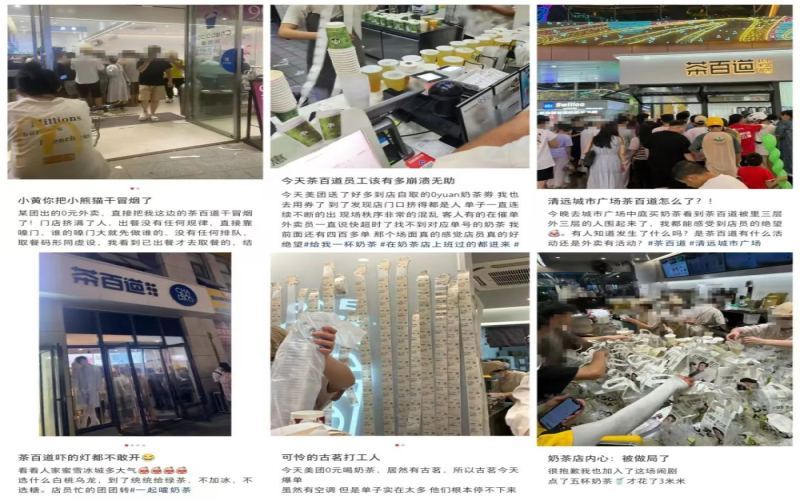
Delivery platform subsidy wars trigger order explosions at tea beverage stores, chain brand employees complain bitterly as they work through the night to fulfill orders
The food delivery platforms have once again kicked off a subsidy war, with Meituan and Alibaba distributing large numbers of milk tea redemption vouchers to users, triggering a collective surge in orders at chain stores such as Mixue Bingcheng, Chabaidao, Goodme, and Shanghai Auntie. On the night of July 5, orders flooded into tea beverage stores in many places like a tidal wave, receipt printers nearly collapsed, and employees kept busy from the evening shift until the early hours of the morning yet still could not clear the backlog of orders. Some stores urgently called back off-duty employees for support, while delivery riders and customers surrounded the stores so tightly that not a drop could get through. While consumers got milk tea for 0 yuan, the workers behind the counter experienced a night comparable to "doomsday." This game between platforms ultimately shifted the pressure onto the frontline tea beverage workers. [more…]
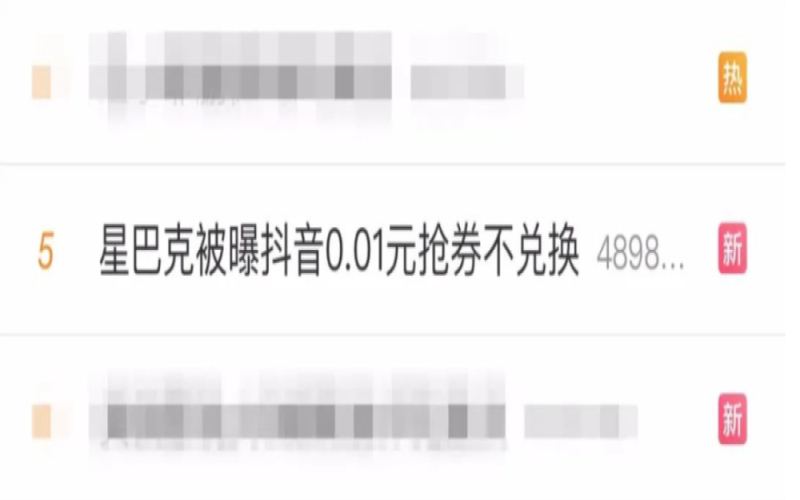
Starbucks' Douyin 0.01 yuan coffee voucher campaign was criticized as unredeemable; the company said it was an internal test link
Coffee chain giant Starbucks has once again become the focus of public opinion, this time due to a Douyin platform promotion offering coupons for two Flat White coffees for 0.01 yuan. After grabbing the coupons, many consumers were told they could not be redeemed and the system automatically refunded them, sparking widespread dissatisfaction. Starbucks subsequently issued an apology, explaining that an internal test link had been mistakenly activated. However, the incident did not die down, as legal experts pointed out that the merchant's unilateral cancellation of the contract may constitute a breach. Meanwhile, Starbucks is accelerating expansion and adjusting its marketing strategy in the Chinese market, frequently launching promotional offers. This article reviews the course of the incident, the reactions of various parties, and Starbucks' recent moves. Front Street Coffee also continues to follow developments in the coffee industry. [more…]
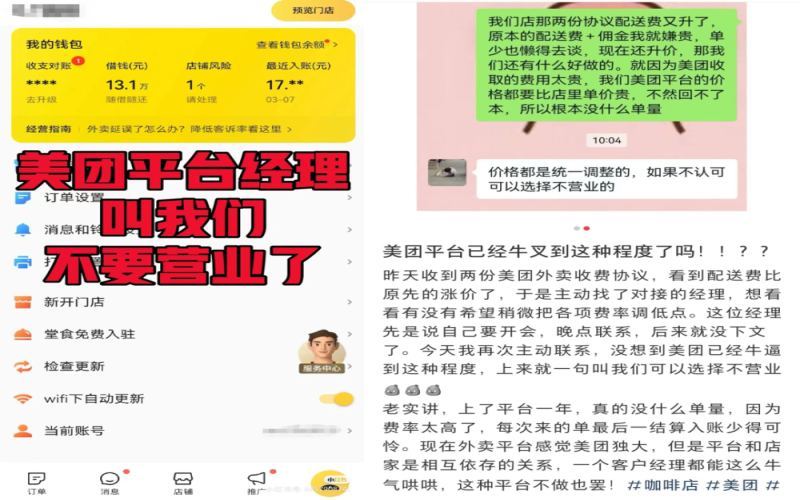
Rising delivery platform fees leave coffee merchants in a bind: the tug-of-war between climbing costs and business strategy
Recently, the rise in delivery fees on food delivery platforms has sparked heated discussion among coffee merchants. Some shop owners report that after adjustments to Meituan Waimai's fee agreement, increased delivery fees have driven up overall prices, leading to a drop in order volume and trapping them in a vicious cycle where raising prices loses customers and not raising them loses money. Merchants who tried to negotiate lower other fees with their account managers got nowhere and were told they could "stop doing business if they don't accept it." Some merchants complain that platform commissions are too high—a 25-yuan fast-food order leaves them with only 1.24 yuan, and some even end up with negative income. Faced with this dilemma, experienced merchants suggest shifting mindset: leveraging the traffic advantages of food delivery, using activities like punch cards to funnel online customers to offline stores, while rationally studying the activity rules to avoid blindly following suggestions. Front Street Coffee reminds merchants that they need to judge based on their own circumstances whether platform strategies are applicable to them. [more…]
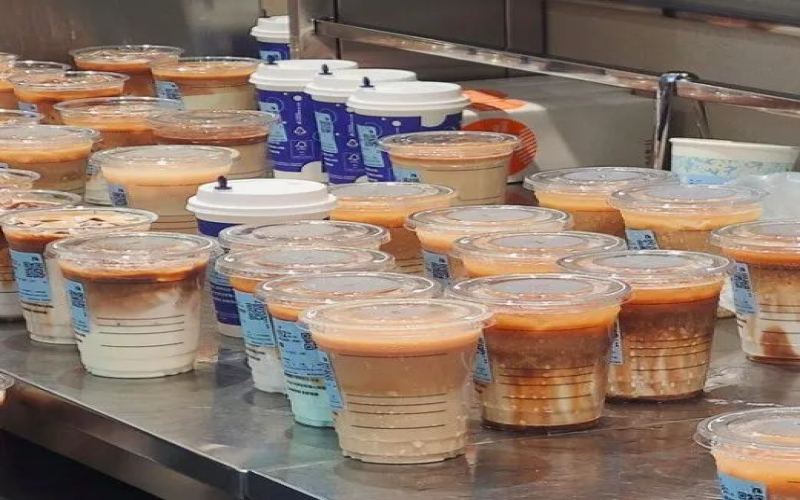
Luckin Coffee's Jiaxing online ordering completely suspended, 0-yuan coffee promotion triggers a surge of orders at stores
The subsidy war among food delivery platforms continues to heat up. After Meituan rolled out free redemption vouchers for Luckin Coffee, a large number of consumers rushed to place orders for "0-yuan coffee." Yet just half a day after the promotion began, Luckin stores across the Jiaxing area were successively shown as temporarily closed, with delivery channels almost entirely shut down. Pickup counters were piled high with drinks, takeaway bags occupied the customer area, staff worked nonstop with no time to eat, and riders even switched to three-wheeled flatbed carts to make deliveries. This sudden surge of overwhelming orders not only exposed the disconnect in communication between the platform and merchants, but also placed enormous pressure on store operations and the delivery process. [more…]
Tea Yanyuese Wins Trademark Infringement Lawsuit with 1.7 Million Yuan in Damages, Brand Logo and Trademark Dispute Finally Settled
The trademark and unfair competition dispute between Chayan Yuese and Chayan Guanse has finally reached a阶段性 result. The Tianxin District People's Court of Changsha ruled in the first instance that Chayan Guanse lost the case and must stop the relevant infringing publicity and compensate Chayan Yuese 1.7 million yuan in total for economic losses and reasonable legal costs. This years-long tug-of-war over rights protection, from Chayan Guanse taking the initiative to sue Chayan Yuese, to Chayan Yuese resolutely filing a counterclaim and ultimately winning, has been full of twists and turns. Founded in 2013, Chayan Yuese is a well-known local milk tea brand in Changsha, featuring a Chinese style and adhering to a direct-operation model for a long time. It was only in 2020 that it expanded beyond Changsha to Wuhan, Shenzhen, and other places. After winning the case, the brand announced that it would issue discount coupons to members in celebration. This article sorts out the ins and outs of the case, the brand's development history, and the background related to its Logo design, providing a comprehensive interpretation for coffee and tea beverage enthusiasts. [more…]
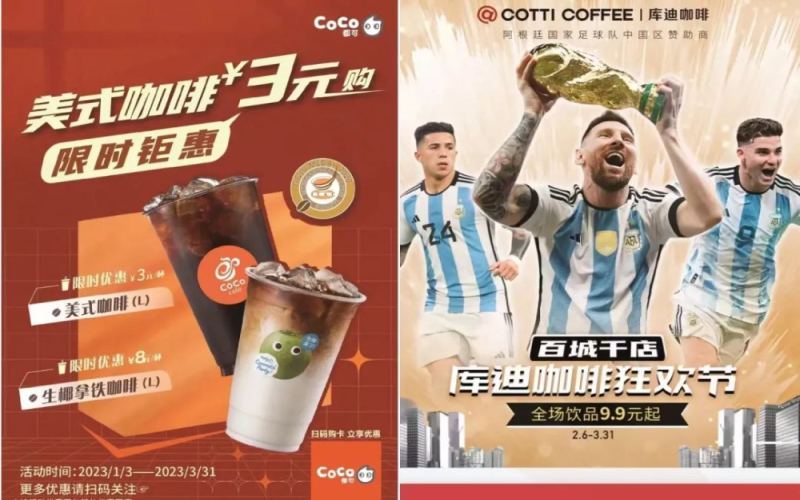
The Alley team pivots to the coffee track: Huwen Coffee enters the budget market with a 10-yuan latte
At the start of 2023, the coffee market kicked off with a low-price strategy. CoCo都可, with over 2,200 stores nationwide, dropped its Americano to 3.9 yuan, Cotti Coffee launched promotions starting at 9.9 yuan, and Tiger Coffee, created by the core team of The Alley, also secured financing, entering the affordable segment with two price tiers of 10 yuan and 13 yuan, and plans to leverage its existing overseas agency network to prioritize expansion in Southeast Asia. Can Tiger Coffee become the Mixue Bingcheng of the coffee world? This article will analyze from perspectives including brand background, store model, product strategy, and market trends. [more…]
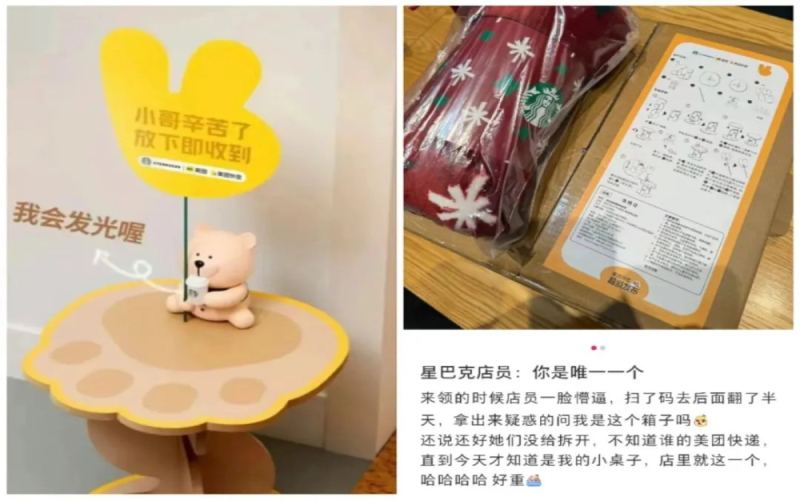
Starbucks and Meituan's co-branded cute bear delivery rack sparks heated discussion: many only found out after the event ended, and mix-ups frequently occurred at pickup sites.
The adorable bear delivery rack jointly created by Starbucks and Meituan has recently been delivered to consumers one after another, but unexpectedly sparked a series of amusing incidents. Some people went to stores to pick up their packages only to find the staff completely confused; some only discovered after assembling it that the promotion had long ended; and some stores even mistook the delivery rack for promotional material and placed it outside the door to welcome customers. This merchandise, which requires meeting Meituan's spend-and-get conditions to reserve for free, won over countless fans with its sensor-activated glowing bear and sturdy fiberboard material, but also left netizens who missed out lamenting, "Big data, you're too late." Those who successfully got their hands on one are now starting to worry: will such a cute rack get swiped if I put it outside my door? The various experiences surrounding this co-branded merchandise reflect the subtle gap between brand campaign promotion and consumer reach. [more…]
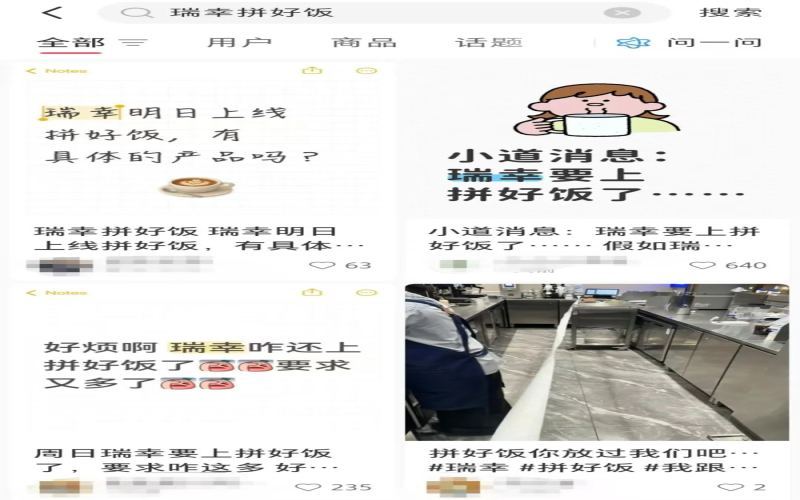
Luckin Coffee's potential entry into Meituan's Pinhaofan sparks heated discussion, with Xiamen stores already piloting the move
Recently, news that Luckin Coffee is about to join Meituan's Pinhaofan has been circulating on social platforms, making many Luckin store employees nervous and uneasy. Pinhaofan is a group-ordering service launched by Meituan Takeaway, allowing users to buy drinks and meals at prices far below market rates, and is jokingly called the Pinduoduo of the food delivery world. If Luckin really joins, the already cheap 9.9 yuan coffee could drop even further, which is naturally good news for consumers, but store employees worry about the staffing pressure caused by a surge in orders. At present, employees in different regions give differing accounts; Xiamen stores are said to have quietly begun trial operations, with sales clearly rising, but overtime problems have followed. [more…]
The Survival Status After the Number of Cafes Nationwide Broke 100,000: Opening a Shop in Shanghai and Other Cities Is Easy, but Making a Profit Is Hard, and Industry Consolidation Is Accelerating
The coffee consumer market is expanding at an annual rate of 16%, far exceeding the global average, and young customers are becoming the core driving force of this industry. In 2016, the total number of coffee shops nationwide crossed the threshold of 100,000 for the first time, but in the same year there was also a clear negative growth, and a new round of reshuffling quietly unfolded in the second half of the year. Low barriers to opening a shop but increasingly difficult profitability have become a common experience for many shop owners. Based on the first big data report on the beverage industry jointly released by the Meituan Dianping Research Institute and Kamen, this article sorts out the real survival status of coffee shops in China from the dimensions of changes in the number of stores, urban distribution patterns, migration of consumer groups, as well as products, environment, and services. At the same time, combined with the actual observations of brands such as Front Street Coffee, it provides practitioners with reference basis for judgment. [more…]
2023 Coffee Consumer Insights and Store Opening Strategy: Four Core Customer Groups and Store Layout from a Data Perspective
Latest data from Meituan shows that coffee delivery orders have more than doubled year-on-year, with post-90s women becoming the main consumer group for freshly made coffee, and the 20-40 yuan price range dominating. Based on platform data, this article provides an in-depth analysis of the four core consumer groups in the current coffee market—from user profiles and price acceptance to time distribution and motivations for visiting stores—and, combined with the emerging trend of coffee rising in county towns, offers practical suggestions for coffee shop entrepreneurs in 2023 on site selection, operations, and scene design. At the same time, the article retains recommendations for specialty coffee bean procurement channels for practitioners' reference. [more…]
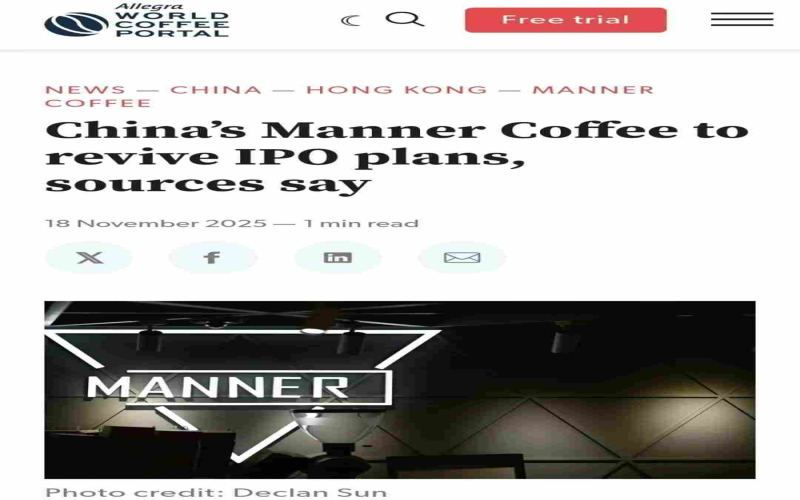
Manner Coffee rumored to file for Hong Kong IPO as early as next year: valuation may reach $3 billion, official response says no comment
Recently, multiple media outlets including Bloomberg reported that the coffee chain brand Manner Coffee is preparing for a Hong Kong listing, potentially debuting on the Hong Kong Stock Exchange as early as next year with a valuation expected to reach US$3 billion. Manner responded to this by saying it had "no comment," a shift from its previous stance of outright denial. Looking back at Manner's development, it started in 2015 as a 2-square-meter small shop in Shanghai, rising rapidly through a strategy of making specialty coffee affordable and a community store model, and successively attracted backing from Capital Today, Meituan Dragonball, ByteDance, Temasek, and other capital investors. As of November, Manner had 2,234 stores nationwide, ranking sixth in scale, and among the top six brands it, like Starbucks China, operates under a direct-operated model. Amid successive moves by competitors, Manner's listing rumors have drawn widespread attention. (Recommended by Front Street Coffee) [more…]
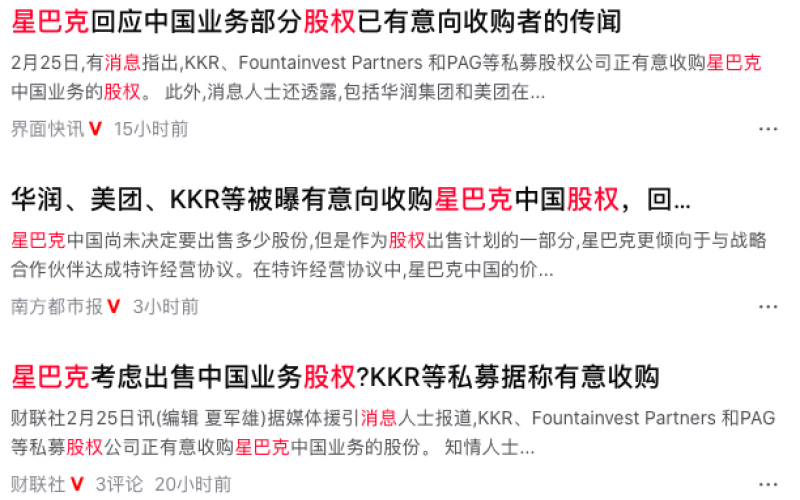
Starbucks China equity may be in for a shake-up: multiple private equity firms and domestic giants are vying for a stake, while the company responds cautiously.
Recently, multiple media outlets have reported that Starbucks' China business may bring in strategic investors or sell part of its equity, with well-known private equity firms such as KKR, FountainVest, and PAG, as well as domestic companies like China Resources Group and Meituan, all rumored to be potential buyers. According to people familiar with the matter, Starbucks Executive Vice President and Chief Financial Officer Rachel Ruggeri is expected to come to China within the next few weeks to participate in negotiations. In response to this news, a Starbucks global spokesperson declined to confirm, only citing the CEO's previous statement about exploring strategic partnerships. At the same time, Starbucks China has recently experienced frequent management changes, including the newly created position of Chief Growth Officer and the retirement of Chairman Wang Jingying, drawing particular attention to its future direction. This article sorts out the sequence of events, responses from various parties, and industry background for coffee enthusiasts' reference. [more…]